Gypsum is a vital material in modern construction, shaping how buildings are designed, finished, and maintained. Its versatility, smooth finish, and easy application make gypsum-based products ideal for residential, commercial, and institutional projects. Offering faster completion, improved aesthetics, and long-lasting performance, gypsum has become a preferred choice for builders and architects.
With rising construction standards, sourcing from a reliable gypsum manufacturer in India is crucial to ensure consistent quality, durability, and efficient results, supporting both structural integrity and superior interior finishes in every project.
What Is Gypsum and Why It Is Widely Used
Gypsum is a naturally occurring mineral composed mainly of calcium sulfate dihydrate. It is valued in construction for its lightweight nature, fire resistance, and ability to provide smooth, uniform surfaces. When processed correctly, gypsum allows builders to achieve high-quality finishes with reduced labor and shorter construction timelines.
Unlike traditional materials, gypsum products are factory-manufactured under controlled conditions. This ensures uniformity in composition, strength, and performance, which is essential for modern construction practices that demand precision and reliability.
The Gypsum Manufacturing Process
The gypsum manufacturing process begins with the extraction of raw gypsum from mineral deposits. Once mined, the material is crushed and screened to remove impurities. It is then heated at controlled temperatures to remove moisture content, converting it into different usable forms depending on the intended application.
Through this process, gypsum is transformed into products such as gypsum plaster, boards, and plaster of Paris powder. Each stage of manufacturing is carefully monitored to ensure consistency, quality, and suitability for construction use. Controlled processing helps achieve predictable setting times, surface smoothness, and application efficiency.
Role of Quality Control in Manufacturing
Quality control is a critical component of gypsum production. Factors such as purity, particle size, moisture levels, and structural consistency are tested throughout the manufacturing cycle. Consistent production standards help ensure that gypsum products perform reliably across different construction environments.
A dependable gypsum manufacturer in India focuses on maintaining these standards to support builders and contractors with materials that meet industry requirements and on-site performance expectations.
Gypsum in Interior Wall Finishing
One of the most common applications of gypsum is interior wall plastering. Gypsum plaster provides a smoother finish compared to traditional cement plaster and requires minimal curing time. This allows painters and decorators to proceed faster, reducing overall project duration.
Gypsum-based wall finishes also minimize surface cracks and shrinkage, offering long-term visual appeal. The smooth surface created by gypsum plaster improves paint adhesion and enhances final aesthetics.
Plaster of Paris in Construction Applications
Plaster of Paris powder plays a significant role in interior construction and decorative work. It is widely used for false ceilings, cornices, moldings, and detailed architectural elements. Due to its fine texture and quick-setting nature, it allows precise shaping and finishing.
In repair and renovation projects, plaster of Paris powder is commonly used for patching cracks, filling gaps, and restoring damaged surfaces. Its versatility makes it an essential material in both new construction and refurbishment work.
Speed and Efficiency Benefits
One of the main reasons gypsum is favored in modern construction is speed. Gypsum-based materials set faster than cement-based alternatives, enabling quicker completion of wall finishing tasks. This efficiency reduces labor costs and shortens project timelines.
Because gypsum products require less water and no extended curing period, construction sites remain cleaner and more organized. These benefits are particularly valuable in large residential developments and commercial buildings where time efficiency is critical.
Sustainability and Environmental Advantages
Gypsum is considered an environmentally responsible building material. It requires less water during application and produces minimal construction waste. Many gypsum products are recyclable, supporting sustainable building practices.
Builders increasingly prefer sourcing materials from a responsible gypsum manufacturer in India that follows efficient production methods and adheres to environmental standards. Reduced water usage and faster application contribute to lower environmental impact on construction sites.
Compatibility With Other Construction Materials
Gypsum works well with a wide range of construction materials. Surfaces finished with gypsum plaster provide an ideal base for paints, coatings, wallpapers, and decorative finishes.
In tiling applications, a properly prepared gypsum surface enhances bonding when used with tile fixing adhesive. This ensures strong adhesion, reduces tile movement, and improves long-term durability. Proper surface preparation plays a crucial role in ensuring successful tile installation.
Gypsum Compared to Traditional Plastering Materials
Traditional cement plaster is heavier, takes longer to cure, and is more prone to cracking due to inconsistent on-site mixing. In contrast, gypsum products are factory-made and offer predictable performance.
Gypsum plaster reduces the structural load on buildings, making it suitable for high-rise construction and modern architectural designs. Its consistent quality and ease of application have made it a preferred alternative to conventional plastering methods.
Applications Beyond Walls
Gypsum is not limited to wall finishes. It is widely used in partitions, ceilings, acoustic panels, and decorative architectural elements. Gypsum boards are commonly used in dry construction systems, allowing flexible space planning and easy modifications.
In renovation projects, gypsum materials are especially useful because they allow fast repairs with minimal disruption. Their adaptability makes them suitable for both new construction and remodeling work.
Growing Demand in Modern Construction
As the construction industry moves toward faster, cleaner, and more efficient building methods, gypsum continues to gain importance. The demand for smooth finishes, reduced construction time, and consistent quality has increased reliance on gypsum-based solutions.
The availability of advanced products from a reliable gypsum manufacturer in India supports this shift by meeting the evolving needs of architects, contractors, and developers.
Conclusion
Gypsum manufacturing plays a vital role in shaping modern construction practices. From interior wall finishes to decorative elements and surface preparation, gypsum-based materials offer efficiency, reliability, and long-term performance. With controlled manufacturing processes and consistent quality standards, gypsum continues to redefine construction methods while supporting durability, aesthetics, and sustainable building solutions.
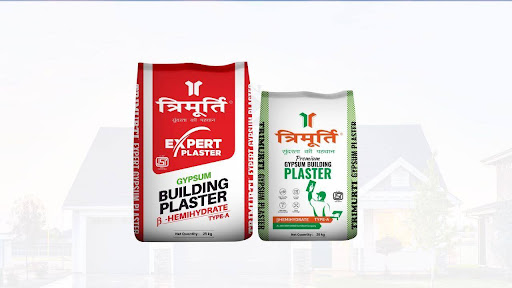
Trusted for quality innovation reliability performance and long term excellence, Trimurti offers a comprehensive range of construction materials tailored to modern building needs. Their product portfolio includes gypsum-based solutions, plaster materials, supported by strong technical expertise and quality-focused manufacturing processes. Emphasis on consistency, durability, and ease of application helps support efficient construction practices across residential and commercial projects throughout India.