
Introduction
Central line care is an important clinical skill that requires precision, consistency, and a strong understanding of infection prevention. For nursing students and health-care professionals, practising central line dressing procedures in a controlled environment can help build confidence before applying these skills in clinical settings.
Central line dressing trays provide a convenient way to organize the supplies needed for training. When incorporated into health-care simulation, they can help educators create realistic scenarios while teaching students the importance of preparation, organization and appropriate clinical technique.
What Are Central Line Dressing Trays?
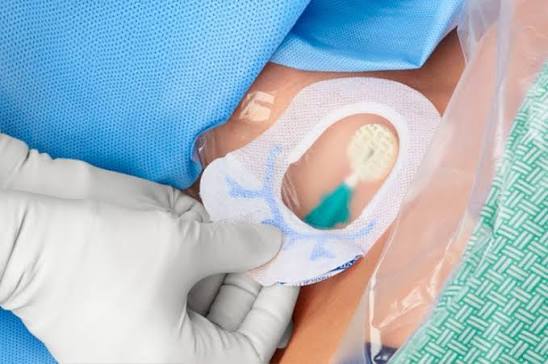
A central line dressing tray is a pre-organized collection of supplies designed to support central line dressing procedures. Depending on the specific product, a tray may contain items such as dressings, sterile supplies, protective equipment, and other materials required for the procedure.
For simulation-based education, the value of a tray goes beyond its individual components. It allows students to become familiar with the type of organized supply setup they may encounter in health-care environments.
Why Use Them in Health-care Simulation?
Simulation allows students to practise clinical procedures without exposing real patients to unnecessary risks during the learning process.
Central line dressing trays can support simulation by providing:
1. Realistic practice:
Students can work with a collection of supplies similar to those used in clinical environments.
2. Organized training:
Pre-assembled supplies help students understand what materials may be required before beginning a procedure.
3. Repeated practice:
Students can perform simulated exercises multiple times to improve their technique.
4. Instructor observation:
Educators can watch each stage of the procedure and provide feedback.
5. Standardised learning:
Using consistent supplies can help instructors teach the same procedure across different groups.
Developing Preparation Skills
Preparation is an important part of any clinical procedure. Students may focus heavily on the technical aspects of central line care and overlook the importance of organizing their workspace beforehand.
A simulation exercise can require students to review the tray, identify its contents, and prepare their working area according to their programme’s procedures. This helps develop a systematic approach rather than encouraging students to begin a procedure without adequate preparation.
Reinforcing Infection-Control Principles
Central line care requires careful attention to infection prevention. Simulation provides an opportunity to reinforce these principles throughout the training process. Educators can observe whether students follow the infection-control practices taught by their institution, including appropriate hand hygiene, personal protective equipment, and sterile or aseptic techniques where required.
Rather than teaching infection prevention as an isolated concept, instructors can incorporate it into the entire simulated scenario.
Improving Familiarity with Clinical Supplies
Students may encounter numerous medical supplies during their education. Learning to recognize and handle them can make practical training less intimidating. A central line dressing tray allows students to become familiar with different dressing materials and other components in a structured setting.
Instructors can explain the purpose of individual items and discuss when they may be used as part of the procedure.
Conclusion
When combined with realistic scenarios, instructor observation and constructive feedback, these trays can contribute to a more structured approach to nursing education. The focus should always remain on the programme’s approved clinical protocols and learning objectives, ensuring that students develop the knowledge and practical skills needed for safe patient care.