
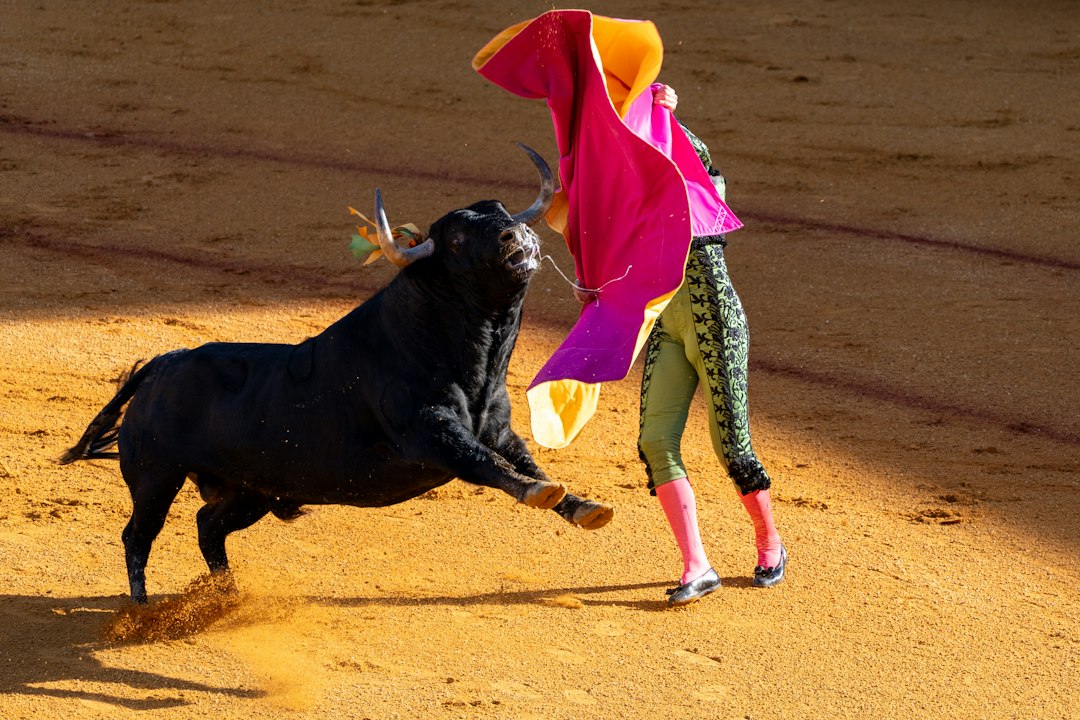
Traditional bullfighting events have a long cultural association with certain rural communities in southern Thailand. These gatherings reflect local history, agricultural lifestyles, and customs that have developed through generations. The heritage of Southern Fighting Cattle (วัวชนแดนใต้) provides an opportunity to understand how powerful bulls became connected with regional entertainment and community identity. Exploring this history also highlights the changing relationship between traditional celebrations, livestock ownership, and modern expectations about responsible animal treatment.
How Did Bullfighting Events Develop?
Cattle have historically played an important role in southern Thai agriculture. Farmers raised bulls for breeding and other livestock purposes, making animal ownership a valuable part of rural life. Knowledge about cattle behavior, feeding, and breeding was traditionally passed between generations.
Over time, certain communities developed gatherings where bulls became central attractions. These events gradually gained recognition as local entertainment and social occasions. Their development reflected regional customs and the importance of livestock within agricultural communities.
Why Did These Events Become Community Attractions?
Traditional gatherings brought together cattle owners, families, and spectators from surrounding areas. People attended to experience local customs, meet familiar residents, and participate in community celebrations.
Such occasions also encouraged conversations about cattle breeds, animal characteristics, and farming practices. Experienced livestock owners could share knowledge with younger generations, helping preserve agricultural traditions.
The events became meaningful social experiences because they combined entertainment with community participation and regional identity.
What Role Did Cattle Owners Play?
Cattle owners were important participants because they maintained responsibility for raising and managing their animals. Preparing livestock involved attention to feeding, general health, transportation, and suitable living conditions.
Knowledge of animal behavior was especially important when handling powerful bulls. Owners needed to recognize signs of discomfort, fear, and agitation. Responsible management required suitable facilities and experienced supervision.
These responsibilities demonstrate that cattle ownership involves more than participation in public gatherings. It requires long-term commitment to animal health and safety.
How Have Modern Perspectives Changed Bullfighting?
Contemporary discussions increasingly recognize the risks associated with activities that encourage animals to fight. Physical confrontations can cause injuries, exhaustion, and significant stress. These concerns have made animal welfare an important consideration when evaluating traditional events.
Communities can preserve historical knowledge through safer alternatives, including livestock exhibitions, breed presentations, educational demonstrations, and cultural festivals. These activities allow people to appreciate cattle heritage without encouraging harmful confrontations.
What Is the Cultural Future of Bullfighting Heritage?
The historical significance of traditional bullfighting remains connected with southern Thailand’s rural identity and agricultural background. However, cultural preservation can evolve as community values change.
Younger generations can learn about local history, cattle breeding, and traditional farming through educational programs and responsible livestock activities. Farmers can also share their experiences to maintain valuable agricultural knowledge.
Ultimately, understanding bullfighting history means recognizing both its cultural background and its modern challenges. Respecting regional heritage while prioritizing humane animal care can help communities preserve meaningful traditions for future generations.
At a Glance
- Traditional bullfighting events in southern Thailand are deeply tied to the cultural history, agricultural practices, and community identity of rural areas.
- Cattle ownership has been historically vital to southern Thai agriculture, with knowledge of cattle behaviors and breeding passed down through generations.
- These gatherings serve as social occasions that promote community interaction and the sharing of agricultural knowledge among cattle owners and spectators.
- Modern perspectives on bullfighting highlight concerns over animal welfare, leading to discussions about safer alternatives that preserve cultural heritage without encouraging harm.
- Educational programs and livestock exhibitions can serve as platforms for younger generations to learn about local history and farming practices.
- While the heritage of bullfighting is significant, it must evolve to prioritize humane treatment of animals in line with changing community values.