
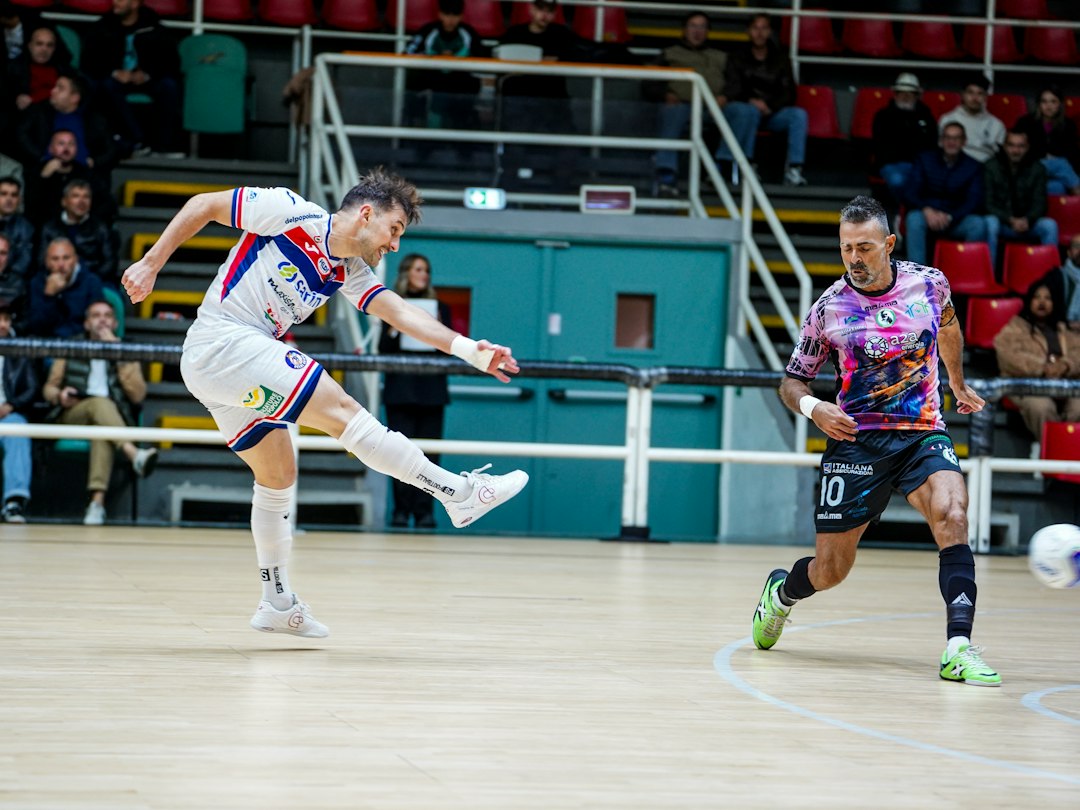
Sepak Takraw is a fast-moving traditional sport that requires players to combine technical ability, physical fitness, and teamwork. Among its most exciting techniques are spiking and blocking, which play important roles in attacking and defending during a match. Players must develop timing, flexibility, balance, and coordination to perform these movements effectively. Thai Takraw House (บ้านตะกร้อไทย) explores the fundamentals of these techniques and explains how beginners can improve their skills through consistent training.
What Is Spiking in Sepak Takraw?
Spiking is an attacking technique used to send the ball forcefully into the opponent’s court. It is often performed through a jumping kick that allows the player to strike the ball at a high point.
A successful spike requires good timing and accurate ball placement. Players must coordinate their movements with teammates who prepare the ball for the attack.
Some common attacking techniques include the inside kick, roll spike, and powerful overhead-style kicks. Each technique requires practice, flexibility, and control.
How Can Beginners Improve Their Spiking Technique?
Beginners should first develop basic ball control and jumping ability before attempting advanced spikes. Learning the correct body position helps players maintain balance and reduce unnecessary strain.
The following exercises can support improvement:
Practice controlled kicks to develop accuracy.
Perform basic jumping exercises to improve leg strength.
Work on flexibility through regular stretching.
Practice timing with a teammate who prepares the ball.
Focus on directing the ball rather than using maximum power.
Gradual training allows players to develop confidence and improve their attacking movements safely.
What Is Blocking in Takraw?
Blocking is a defensive technique used to stop or redirect an opponent’s attack. Players position themselves near the net and attempt to prevent the ball from entering their court.
Successful blocking requires quick reactions, awareness, and correct positioning. Players must observe the attacker’s movements and anticipate the direction of the incoming ball.
Good defensive positioning can make it difficult for opponents to score through powerful spikes.
Which Skills Help Players Become Better at Blocking?
Balance, flexibility, jumping ability, and concentration are essential for effective blocking. Players should practice moving quickly toward the net while maintaining control of their bodies.
Reaction drills can help athletes respond to different attacking directions. Partner exercises also allow beginners to understand how attacking and defensive movements work together.
Communication is important because teammates must coordinate their positions and avoid leaving open spaces on the court.
How Do Spiking and Blocking Work Together?
Spiking and blocking create an important balance between offense and defense. Attackers try to find openings, while defenders attempt to anticipate and stop their movements.
Understanding both techniques helps players recognize different match situations and make better decisions.
Conclusion
Spiking and blocking are essential techniques in Sepak Takraw. Developing accurate attacks, effective defensive positioning, flexibility, and quick reactions can improve overall performance. With regular practice and teamwork, beginners can gradually build the skills needed to enjoy more competitive Takraw matches.
At a Glance
- Sepak Takraw is a traditional sport that combines technical ability, physical fitness, and teamwork.
- Spiking is an attacking technique in Sepak Takraw that involves sending the ball forcefully into the opponent’s court, often using a jumping kick.
- Blocking is a defensive technique that requires players to position themselves near the net to prevent the opponent’s attack.
- Essential skills for blocking include balance, flexibility, jumping ability, and concentration.
- Practicing controlled kicks, basic jumping exercises, and timing with teammates is crucial for beginners to improve their spiking technique.
- Effective communication and coordination among teammates are vital to avoid leaving open spaces on the court during both spiking and blocking.